DIY or Professional Fence Installation: Why Choosing an Expert Saves You Time and Money
When property owners encounter the task of putting up a fence, they typically evaluate the pros and cons of DIY versus hiring a professional. While the allure of saving money through a DIY project is tempting, the likely challenges can cause higher costs and extended timelines. Professionals bring expertise and efficiency, which can be essential in handling difficult installation obstacles. This brings up a key consideration: What genuine advantages come with choosing professional installation?
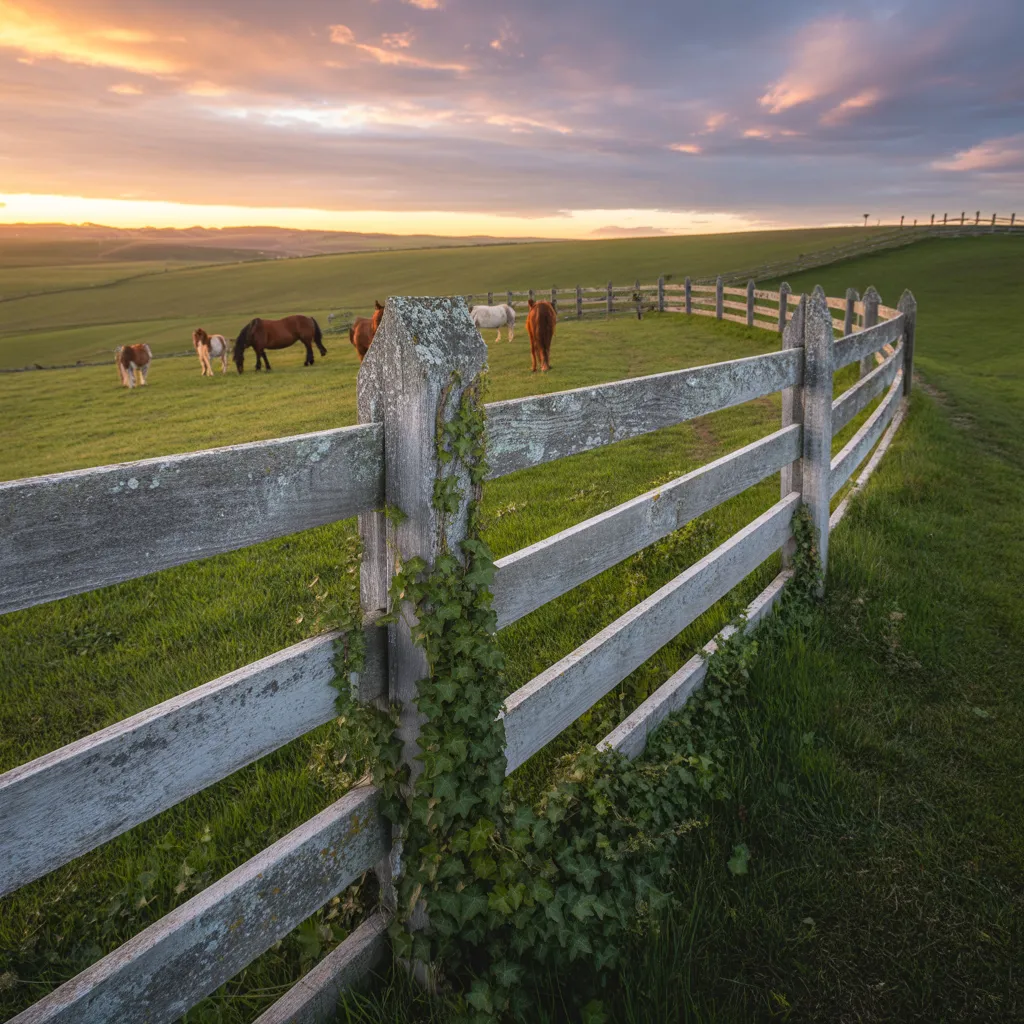
The Benefits of Professional Fence Installation
Although some homeowners might attempt a DIY approach to fence installation, the benefits of hiring professional installers frequently outweigh the upfront cost. Skilled installers provide expertise that ensures the fence is constructed correctly and effectively. They possess specialized tools and equipment, which minimizes the risk of errors and enhances overall quality. Moreover, their expertise allows them to address difficulties such as uneven terrain or local requirements, which can create complications for DIY attempts.
Furthermore, employing professionals often delivers speedier project finishes, releasing homeowners from the burden of time-consuming installations. Skilled installers additionally offer warranties on their work, giving reassurance concerning structural integrity and upkeep. This guarantee can ease worries regarding ongoing complications that may stem from inadequate installation work. Ultimately, the value of expert fence installation encompass skilled workmanship, reduced timelines, and lasting dependability, rendering it a smart investment for many homeowners.
How Much Does Professional Installation Cost?
The expense of professional fence installation may vary considerably due to several key factors, such as materials, labor, and site conditions. Understanding these influences is essential for homeowners considering this option. Additionally, assessing the long-term value may help determine if the investment is suited to long-term needs and property improvement.
Elements Affecting Installation Cost
A variety of factors influence the full price of hiring a professional to install a fence, which makes it important for homeowners to understand what contributes to these charges. The choice of materials—such as vinyl, wood, or metal—significantly impacts the project cost. In addition, the dimensions of the fence play a vital role; more extensive installations come with greater expenses. Labor costs also vary based on installation complexity and prevailing local rates. Environmental conditions, such as terrain and accessibility, can increase the total cost, as extra preparation or equipment might be needed. Finally, any necessary permits or inspections must be taken into account, affecting the total investment. Knowing these key considerations allows homeowners to plan their fencing projects more effectively.
Long-Term Value Considerations
Grasping the financial aspects related to professional fence installation extends beyond the upfront expenses. While the initial fees might appear higher when measured against DIY options, the lasting value typically supports the investment. Professionals offer expertise that secures proper installation, which can decrease the need for costly repairs and maintenance as time goes on. Additionally, a well-installed fence can enhance property value and curb appeal, potentially yielding a return on investment when selling a home. The resilience of professionally installed materials often surpasses DIY alternatives, minimizing future replacement costs. Ultimately, bringing in a specialist can lead to considerable financial benefits and peace of mind, making the upfront investment worthwhile in the context of extended value.
Common Challenges of DIY Fence Projects
Embarking on a DIY fence project can rapidly bring to light a host of unanticipated challenges. Property owners often misjudge the demanding nature of proper planning, including boundary line evaluations and securing required permits. Without a proper survey, they risk encroaching on adjacent property or breaking municipal codes.
Additionally, picking the correct supplies and equipment can be difficult. Limited experience may lead to buying insufficient equipment or miscalculating the required quantities, leading to cost increases and delays. Proper installation methods are crucial; incorrect alignment or inadequate post depth can negatively affect the overall durability and effectiveness of the fence.
Beyond that, many DIYers lack the experience to anticipate weather-related setbacks, which can stall progress. Strenuous physical tasks, such as excavating post holes or maneuvering cumbersome materials, can also discourage even the most enthusiastic homeowners. These hurdles illustrate the intricacies associated with DIY fence installations, inspiring many to acknowledge the worth of professional fencing services.
How Professionals Save You Time
When evaluating fence installation, professional installers provide notable time benefits compared to DIY efforts. Their knowledge of organizing and completing projects ensures quicker project completion and reduces delays. Such effectiveness allows homeowners to enjoy their new fence without the extended wait commonly linked to self-installation.
Faster Project Completion
Bringing in professional installers greatly expedites the fence more information installation process. Professionals come equipped with specialized tools and expertise, enabling them to finish projects faster than most DIY homeowners. Although a homeowner may require days or even weeks to complete the project, professionals often finish in a matter of hours or days, depending on the project size. Their knowledge of diverse materials and methods allows them to address obstacles effectively, minimizing delays. Moreover, professional teams usually collaborate effectively, splitting responsibilities to maximize efficiency. This not only hastens the installation but also lowers the probability of errors that might delay completion. At the end of the day, working with professionals assures prompt completion, permitting homeowners to take advantage of their new fence in less time.
Expert Strategy and Execution
While many homeowners may underestimate the importance of thorough planning, skilled fence professionals know that detailed preparation is critical to achieving a successful fence installation. Seasoned installers initiate the process with a comprehensive analysis of the location, taking into account elements such as landscape, ground conditions, and municipal guidelines. This all-encompassing approach guarantees that all necessary materials are acquired and that the design aligns with the homeowner's vision while adhering to legal requirements.
Furthermore, skilled technicians use advanced techniques and tools, optimizing the installation workflow. Their expertise enables them to predict complications and tackle them ahead of time, minimizing setbacks. By overseeing schedules and organizing workforce activities, professionals not only save time but also minimize costly mistakes that can arise from a lack of planning. In essence, skilled planning and implementation result in a seamless, more productive installation.
How Skilled Experts Deal With Local Regulations
Maneuvering local codes can be an intimidating task for homeowners, but specialists shine in this area. Experienced fence installation experts possess extensive awareness of zoning regulations, construction standards, and permitting guidelines tailored to each region. They remain informed about shifts in local codes, securing adherence that homeowners may miss.
Furthermore, professionals commonly hold well-developed ties with municipal officials, which can speed up the licensing procedure. This familiarity allows them to address any foreseeable hurdles effectively, decreasing setbacks that could arise from misinterpretations of local regulations.
Furthermore, specialists can guide homeowners toward the right materials and designs that meet local guidelines, reducing the likelihood of future penalties or required changes. By leveraging their expertise, professionals streamline the installation process, saving homeowners from the stress and potential pitfalls of regulatory compliance. At the end of the day, working with a specialist not only secures conformity to legal standards but also boosts the overall productivity of the project.
Why Expert Installation Ensures Quality and Longevity
Steering through local regulations is just one aspect of guaranteeing a successful fence installation; the quality of workmanship plays a significant role in the fence's durability. Professionals bring a wealth of knowledge, employing techniques that ensure proper stability, alignment, and depth of fence posts. Their proficiency limits common installation issues, such as leaning or settling, which can compromise a fence's structural integrity over time.
Furthermore, skilled fencing specialists use premium components, grasping the nuances of multiple fencing styles and how they respond to outdoor elements. This insight helps prevent early deterioration and damage, prolonging the durability of the fence.
In addition, experienced setup often includes correct sealing and completion processes that boost weatherproofing capabilities. When choosing expert assistance, home owners can feel confident that their fencing will fulfill more than just design goals but also endure for years to come, offering reassurance and reducing the need for ongoing repair work.
Lasting Benefits of Expert Fence Installation
Choosing professional fencing services offers significant lasting value that typically surpasses initial costs. Expert installers bring knowledge, ensuring the fence is properly installed, which reduces the likelihood of subsequent repairs. A properly installed fence can withstand environmental stresses, extending its lifespan considerably compared to do-it-yourself attempts that may compromise structural integrity.
Furthermore, hiring an expert typically improves property value. A professionally installed fence not only upgrades visual appeal but also improves the overall curb appeal, making the property more attractive to potential buyers. This becomes especially critical in real estate markets where first impressions matter.
Moreover, professionals regularly supply warranty coverage, giving homeowners confidence that do-it-yourself installations commonly do not include. This defense against structural flaws or harm protects homeowners from unexpected costs over time. In summary, the long-term investment in professional installation demonstrates clear value, both financially and regarding maintaining a property's integrity.
Questions We Frequently Receive
Is It Possible to Install a Fence Myself Without Experience?
Certainly, it is possible to install a fence without prior experience, but it could result in problems and costly errors. Research, planning, and patience are essential, though consulting a professional can offer a more efficient and reliable outcome.
What Tools Are Required for DIY Fence Installation?
To install a fence, key tools needed are a post hole digger, level, measuring tape, hammer, saw, fence panels, concrete mix, and safety gear. Having these tools ensures a proper installation while improving overall efficiency throughout the process.
What Is the Best Way to Choose the Right Fencing Material?
Choosing the ideal fence material means examining durability, upkeep, appearance, and cost. Common options include composite, wood, vinyl, and metal. Assessing each material's benefits and drawbacks helps in making a well-informed choice that aligns with particular needs.
What Upkeep Do Fences Need After Installation?
Fences require routine upkeep, which includes washing, examining for damage, and adding protective treatments. Wood fences gain from protective sealing and staining, while metal varieties might need anti-rust treatment. Routine care extends the life of your fence and keeps it looking its best.
How Do I Make Sure My Fence Stays Level and Straight?
To guarantee your fence stays level and straight, one should use a long level or string line to guide the installation. Consistently check the alignment during installation, correcting posts where necessary to maintain consistency throughout the process.